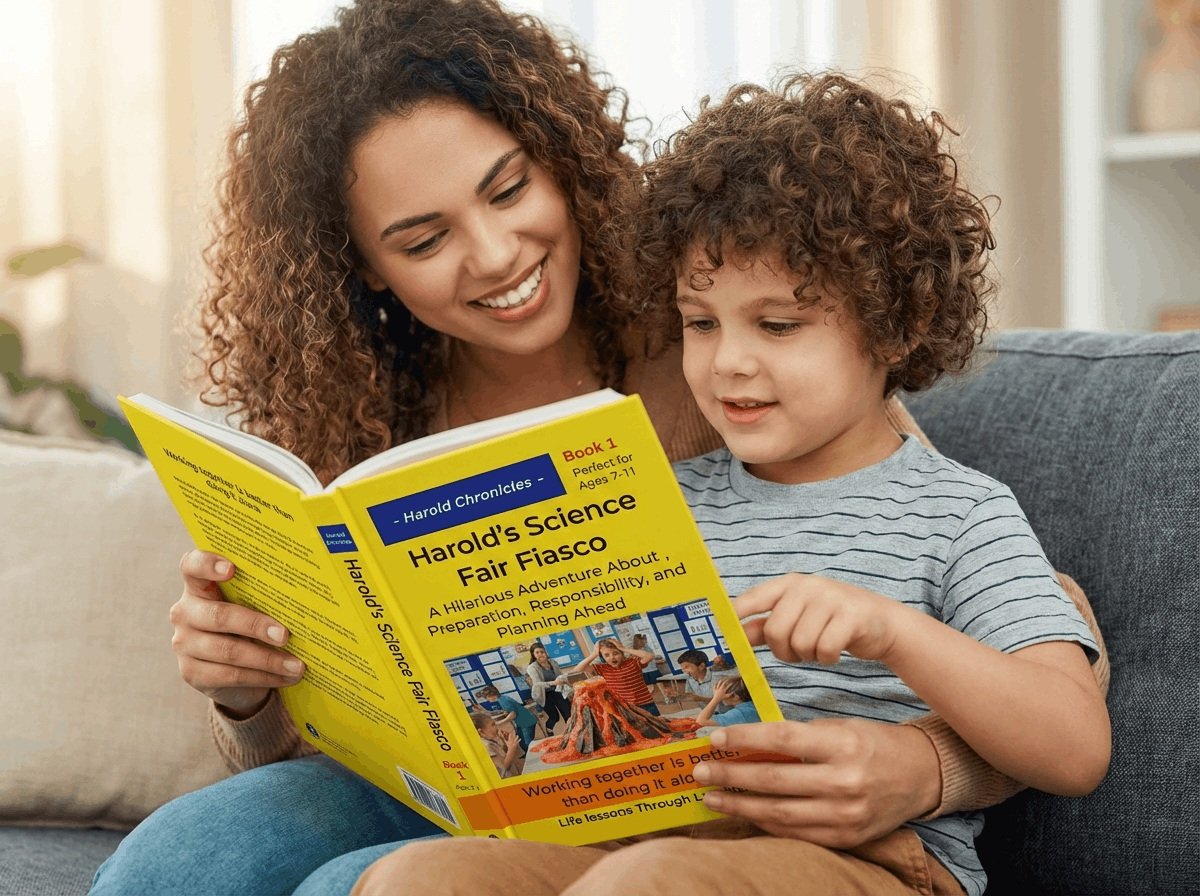
Reading at Home
Reading at Home
Helping Children Rediscover the Joy of Reading
For many families, reading together is one of the most valuable ways to support a child’s learning and development.
But sometimes children lose interest in books. They may say reading is boring, too difficult, or simply not enjoyable.
When this happens, it is important to remember that many capable children go through phases where they become reluctant readers.
The good news is that with the right approach, children can rediscover the enjoyment and confidence that reading brings.
Why Reading at Home Matters
Children who read regularly at home tend to develop:
• stronger vocabulary
• improved comprehension skills
• greater confidence in learning
• a lifelong habit of reading
Even short reading sessions can make a significant difference over time.
The goal is not to force reading but to create positive experiences with stories.
Creating a Positive Reading Environment
Parents can encourage reading by creating an environment where books feel enjoyable rather than stressful.
Helpful approaches include:
• reading together regularly
• allowing children to choose books that interest them
• celebrating progress rather than focusing on mistakes
• discussing stories in a relaxed way
When reading feels like a shared experience rather than a task, children become more willing to participate.
Talking About Stories
Stories offer wonderful opportunities for conversation.
After reading together, parents might ask questions such as:
• What did you think about Harold’s decision?
• Why do you think that happened?
• What might Harold do differently next time?
• What would you have done in the same situation?
These conversations help children reflect on the story while developing empathy and critical thinking.
When a Child Becomes a Reluctant Reader
Some children lose confidence in reading when books feel too difficult or when reading becomes associated with pressure.
Humorous stories can help rebuild engagement because they:
• reduce anxiety
• increase attention
• make reading enjoyable
Stories that make children laugh, often help them reconnect with books.
How the Hazardous Harold Stories Help
The Hazardous Harold series was designed to support children who may feel discouraged about reading.
Harold is a well-meaning but accident-prone boy whose chaotic adventures often lead to important life lessons.
Children enjoy Harold’s humorous mishaps while naturally reflecting on themes such as:
• responsibility
• empathy
• honesty
• resilience
Because the stories are engaging and relatable, they can help reluctant readers rediscover the pleasure of reading.
Encouraging a Lifelong Love of Books
The goal of reading at home is not simply to complete books.
It is to help children develop curiosity, imagination, and confidence.
When children discover that stories can be entertaining and meaningful, reading becomes something they choose to do rather than something they must do.
Free Guide for Parents
For more ideas and practical strategies, download the Parent Quick Start Guides and the Reluctant Reader Rescue Kit.
The free guides include:
• simple reading strategies for parents
• conversation prompts for family discussions
• ideas for rebuilding reading confidence